
Overcoming the cycle A guide to gambling addiction recovery
Understanding Gambling Addiction
Gambling addiction, also known as compulsive gambling, is a complex psychological condition where individuals develop an uncontrollable urge to gamble, often leading to significant financial and emotional distress. Unlike casual gamblers, those struggling with this addiction prioritize gambling over other responsibilities, including work, relationships, and personal well-being. For beginners looking to understand this complex issue, it helps to explore reputable sources like grandmondialcasino-nz.org. Understanding the nuances of gambling addiction is crucial for recovery, as it often stems from deeper psychological issues such as anxiety, depression, or low self-esteem.
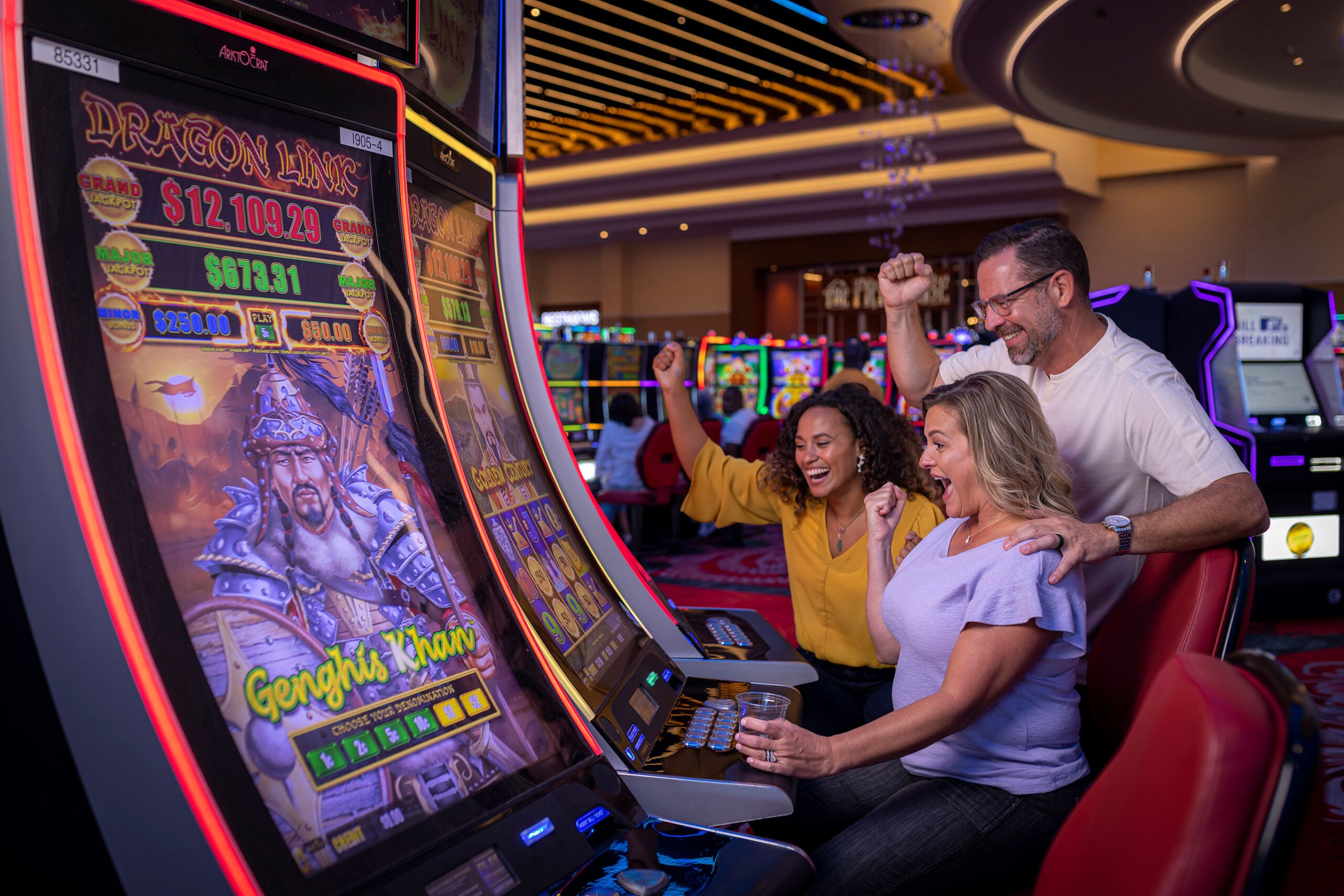
The cycle of gambling addiction typically involves a pattern of excitement followed by a period of regret and despair. Many individuals begin by placing small bets, seeking the thrill of winning, but as the addiction grows, so does the amount wagered. This progressive nature can trap individuals in a cycle where chasing losses becomes the norm, further entrenching them in their addiction and complicating their journey to recovery.
Recognizing gambling addiction is the first step towards overcoming it. Signs may include a preoccupation with gambling, lying about gambling habits, or borrowing money to fund bets. If you or someone you know exhibits these behaviors, understanding the roots of this addiction can pave the way for effective treatment strategies that will ultimately lead to lasting recovery.
The Importance of Acknowledgment
For anyone battling gambling addiction, acknowledgment of the problem is a crucial first step. Admitting that gambling has become a problem not only sets the stage for recovery but also allows individuals to begin taking responsibility for their actions. This acknowledgment can be incredibly difficult, as it requires confronting the emotional pain and financial consequences that often accompany the addiction.
Sharing one’s struggle with trusted friends or family members can also be a vital part of this acknowledgment phase. This support system can provide encouragement, perspective, and accountability, making the journey toward recovery less isolating. Engaging in open conversations about gambling habits can help individuals realize that they are not alone in their struggles, which is essential for overcoming feelings of shame and guilt.
Furthermore, participating in support groups can amplify the acknowledgment process. These groups provide a safe space for individuals to share experiences and strategies for coping with addiction. Being surrounded by others who face similar challenges fosters a sense of community, which can significantly boost motivation and commitment to recovery.
Effective Treatment Options
Recovery from gambling addiction is not a one-size-fits-all approach; it often requires a combination of therapies tailored to individual needs. Cognitive-behavioral therapy (CBT) is one effective treatment method that helps individuals identify and change negative thought patterns related to gambling. Through CBT, individuals learn to challenge their urges and develop healthier coping strategies that can replace the desire to gamble.
Another option is counseling, which allows individuals to explore underlying emotional issues contributing to their gambling addiction. A trained professional can guide individuals through their feelings of loss, anxiety, or depression that may have triggered their gambling behavior in the first place. This deep exploration can be essential for fostering long-term recovery.
Support groups, like Gamblers Anonymous, also play a significant role in treatment. These groups not only offer emotional support but also provide practical strategies for managing urges and staying accountable. Regularly attending these meetings can be a powerful tool in reinforcing positive behavior changes and building a supportive network for continued recovery.
Developing Healthy Coping Mechanisms
As individuals begin their journey toward recovery, developing healthy coping mechanisms becomes crucial for managing triggers and cravings. Engaging in physical activities, such as exercise or sports, can serve as a productive outlet for stress and anxiety. Regular physical activity releases endorphins, which enhance mood and contribute to overall mental well-being, thus reducing the likelihood of relapse.
Mindfulness and meditation are other effective techniques that can help manage the emotional turmoil often associated with gambling addiction. Practicing mindfulness teaches individuals to remain present and aware of their thoughts and feelings without judgment. This can help individuals recognize cravings for what they are—a fleeting urge that can be managed rather than succumbed to.
Moreover, pursuing new hobbies or interests can also redirect focus and energy away from gambling. Learning a new skill, volunteering, or engaging in creative activities like art or music can provide fulfillment and joy, which are often missing in the lives of those struggling with addiction. By filling time with enriching activities, individuals create a more balanced and fulfilling lifestyle that diminishes the allure of gambling.

Your Path to Recovery Begins Here
As you embark on the journey to overcome gambling addiction, it’s vital to remember that recovery is possible and attainable. Many resources are available to support individuals seeking help, whether through therapy, counseling, or support groups. The first step often involves reaching out for assistance and being open to change. Surrounding yourself with a supportive community can make a significant difference in this process.
Utilizing trusted online platforms that focus on gambling addiction recovery can also enhance your journey. These resources often provide valuable information about therapy options, support groups, and self-help techniques. By connecting with others who have successfully navigated their addiction, you can gain inspiration and practical advice that can make your path to recovery more manageable.
Above all, embrace the journey with patience and self-compassion. Recovery from gambling addiction is not linear, and setbacks may occur. However, with determination and the right support system, you can break free from the cycle and rebuild a healthier, happier life. Remember that your story does not end with gambling; it can be a new beginning filled with hope and resilience.
